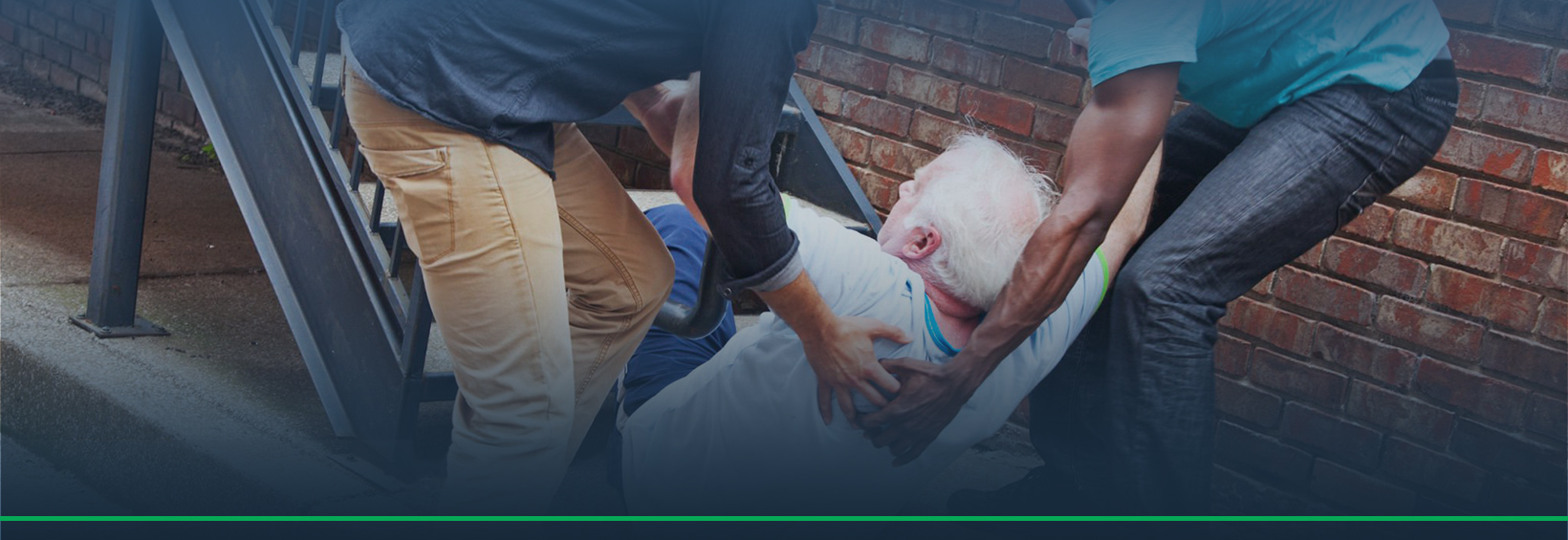
Common Places and Causes for Slip and Falls
Where Slip and Fall Accidents Happen — and Who is Responsible
Slip and fall accidents can happen anywhere — and when they do, the law is clear. Property owners, business operators, and landowners owe every customer and guest a duty of reasonable care. That means regularly inspecting the property, identifying hazardous conditions, and taking timely action to correct them.
Shaw Law has successfully recovered compensation for clients injured in all types of locations, including:
- Store owners and retail establishments
- Apartment complexes
- Homeowners
- Business owners
- Government buildings and post offices
- Restaurants
- Shopping centers, medical facilities, and anywhere the public is invited
Schedule your consultation by calling our slip and fall attorneys at (260) 777-7777 or filling out our contact form.
Common Locations and Causes of Slip and Fall Accidents
Dangerous conditions can exist in virtually any setting. Some of the most common locations and causes our attorneys handle include:
- Automatic Gates and Doors
- Cables and Cords Trip and Fall
- Convenience Stores
- Dollar Stores
- Entrance Mats and Carpet Runners
- Pre-Existing Hazard Slip and Fall
- Falling Merchandise at Big Box Stores
- Fast Food Restaurants
- Gas Stations
- Handicapped Ramps
- Home Improvement Stores
- Hospitals and Doctor's Offices
- Improperly Maintained Stairways
- Improper Warning Signs
- Inadequate Maintenance
- Poorly Constructed Decks and Porches
- Retail Stores
- Shopping Mall Injuries
- Spilled Liquids in Grocery Stores
- Swimming Pool Decks
- Uneven Pavement
If you or someone you know was injured in a slip and fall accident, Shaw Law is ready to help you recover the compensation you deserve for your medical expenses, lost wages, and pain and suffering.
Understanding Reasonable Care and Landowner Responsibility
"Reasonable care" is the legal standard that determines whether a property owner is liable for a slip and fall injury. It does not mean that every surface must be perfect at all times — for example, a landowner is not expected to keep sidewalks clear during an active snowstorm. However, if a two-day storm passes and the property owner fails to plow or take any corrective measures for days afterward, that failure to act could be considered unreasonable — and a jury could find in favor of the injured person.
In short, the question is not whether a hazard existed, but whether the property owner took reasonable steps to find it and fix it on time.
Call us at (260) 777-7777 or fill out our contact form to schedule a free consultation.